
Advancing research on global environmental change and governance
The Earth System Governance Project is a global research network that aims to advance knowledge at the interface between global environmental change and governance. The network connects and mobilizes scholars from the social sciences and humanities researching at local and global scales.


The 2024 Forum on Earth System Governance takes place from 14-18 October 2024. The events of the forum will be organised in partnership with co-hosts and the various facets of…
Learn more about
taskforces and working groups
Through these groups, we engage substantively with key issues of global environmental change confronting contemporary societies.

The increasingly complex developments in the space sector bring a significant impact on earth system governance. With a diverse set…
We are keen on exploring and discussing the challenges, possibilities, and opportunities one encounters when seeking to understand and explain…

Aims and scope The ongoing loss of nature and biodiversity due to human activity, exacerbated by climate change, is one…
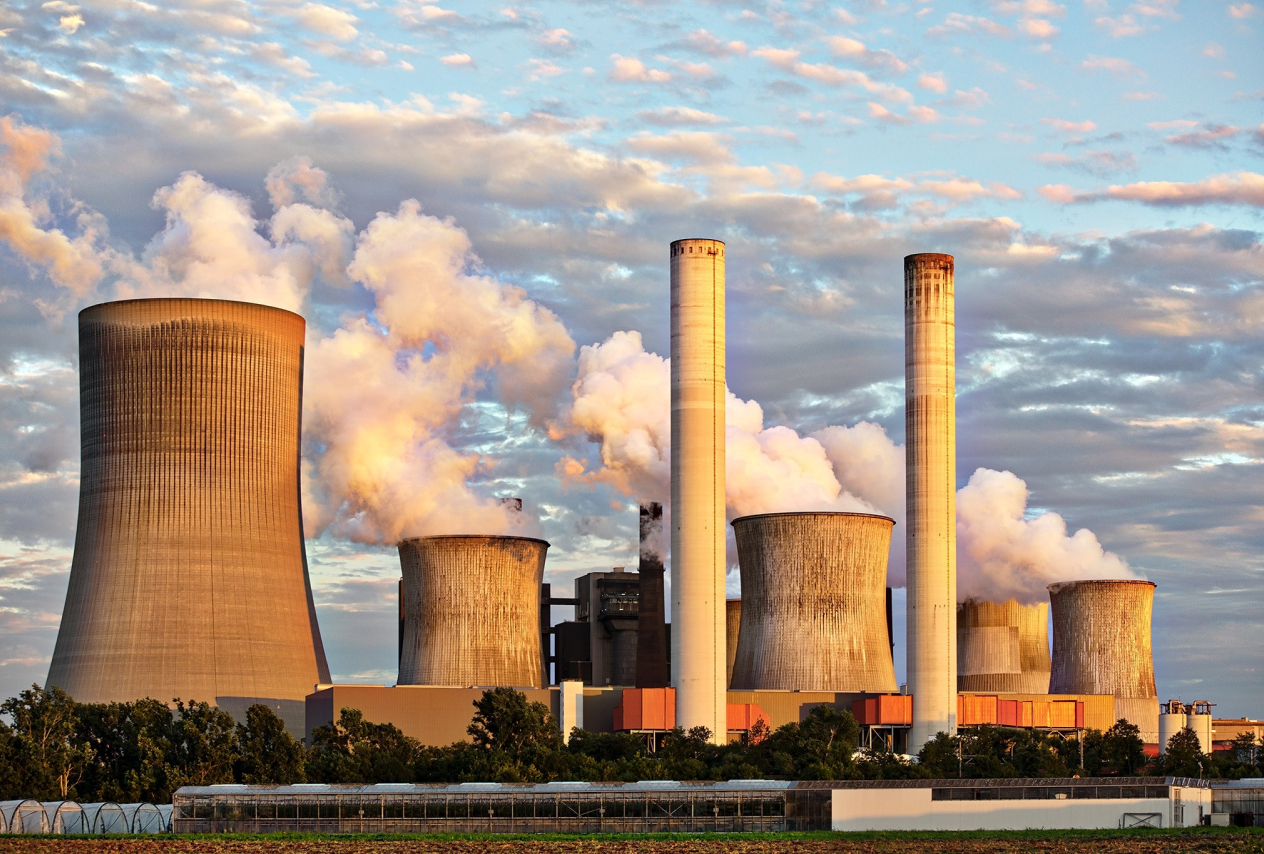
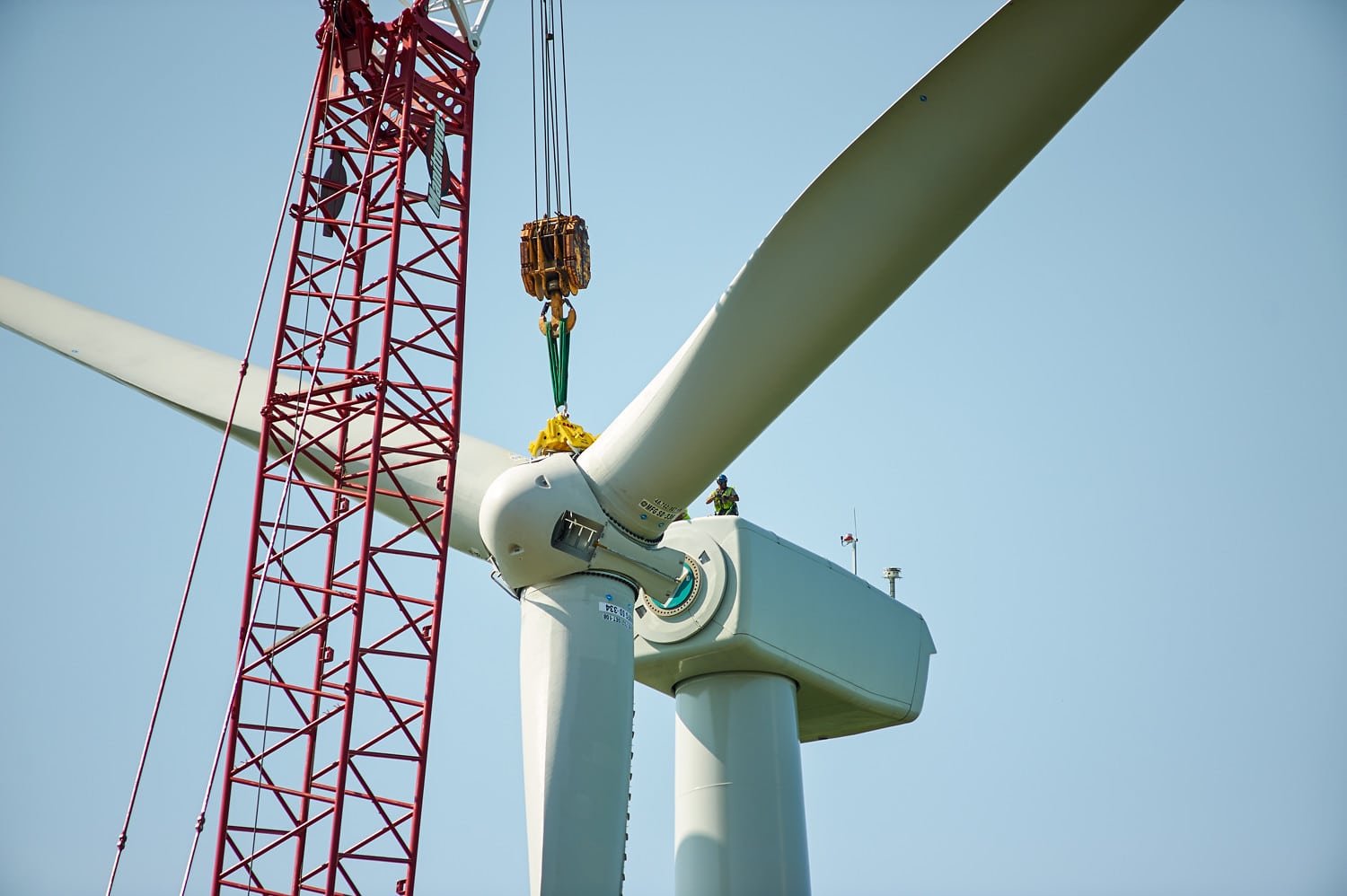
The “Decarbonization” Working Group is part of the “Task Force on Climate Governance”. It gathers researchers from various disciplines who…


The Asia-Pacific Working Group has an independent website that will be regularly updated by its members. You can view this…
Latest news and perspectives
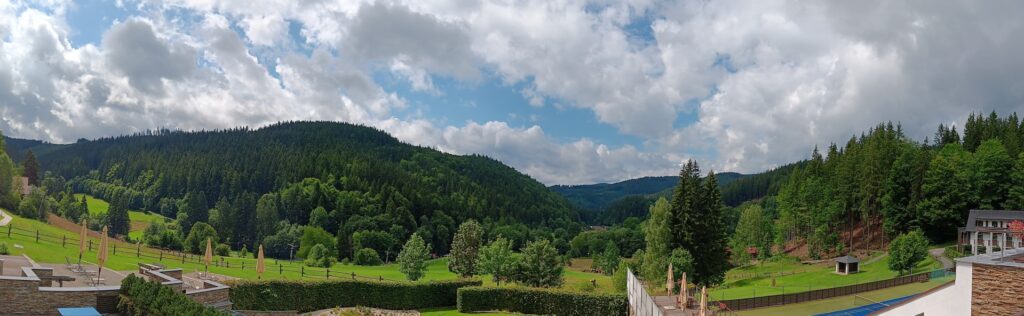
The 2024 Beskydy Workshop on the theme of “Nature-Based Governance: Coevolutionary and transformative perspectives on the…

Dear Network of the Earth System Governance Project, As the year draws to a close, we…
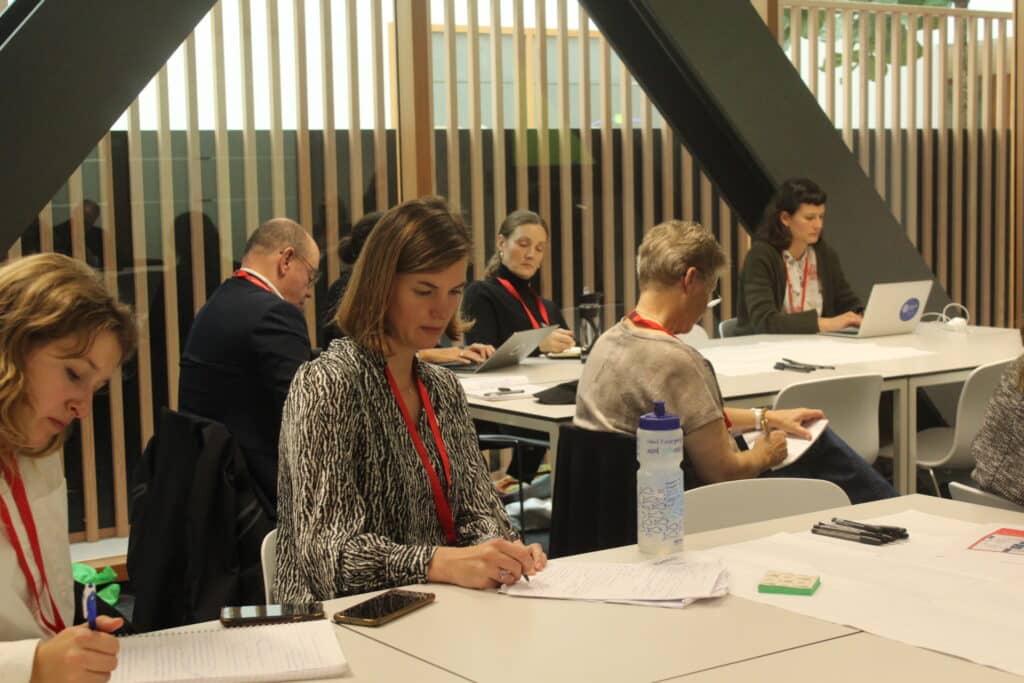
Science-policy interfaces for transformative change? Insights from our innovative session at the Earth System Governance conference…
Earth System Governance Publications
The project’s flagship publications seek to advance knowledge in our field and provide authoritative stances on existing and emerging aspects of earth system governance research
Meet the community
Do you want to join our network?
Please sign up here and join the ESG network.
Meet our research fellows






Featured Scholar
Maciej Filip Bukowski
When did you join the ESG Network, and what motivated you to get involved?
I joined the ESG Network in March, following my successful application to the ESG Mentorship program. The primary motivation underpinning my involvement is my wish to liaise with ESG scholars pursuing or interested in research in the emerging field of the geopolitics of climate change. The question of how to insulate the global endeavors to advance a low-carbon future against conflicting national interests remains a major blind spot in the ESG research. Any change introduced via a global policy undertaking needs to address geopolitical considerations if the results its aim is to produce lasting results.
Being an advocate of the realist school of thought in international relations, one of the primary assumptions in my research has been that the short to mid-term considerations of strategic competition between national states override their long-term interests, the protection of which may require enduring collective action. A contemporary illustration of this assumption is the preference for energy security over climate mitigation (i.e. securing affordable and often dirty energy vs. cutting GHG emissions via clean energy sources). This assumption holds true for both democratic governments (run by politicians subjected to electoral cycles) and authoritarian systems (where rulers need to keep their subjects satisfied). Furthermore, as explained by Prof. Stuard Elden, crucial in this regard is the increasingly volumetric character of geopolitics, where the power of state is no longer confined to a 2D territory but unfolds now especially in other spatial dimensions such as airspace, outer space in maritime verticality.
I am currently completing my PhD in which I look at how climate change will act as a balancing factor in the geostrategic competition between the EU, the US and China. The whole field is truly enormous and I believe the ESG network to be the most appropriate collaborative sphere where a transdisciplinary effort could meaningfully attempt to address the shortage of scholarship on the intersection of geopolitics with climate and sustainability. With this in mind, I am grateful for your invitation and look forward to working together.
What is the most useful piece of advice you have received as an Early Career Scholar?
Having only joined the ESG Network recently, it is yet for me to find out!